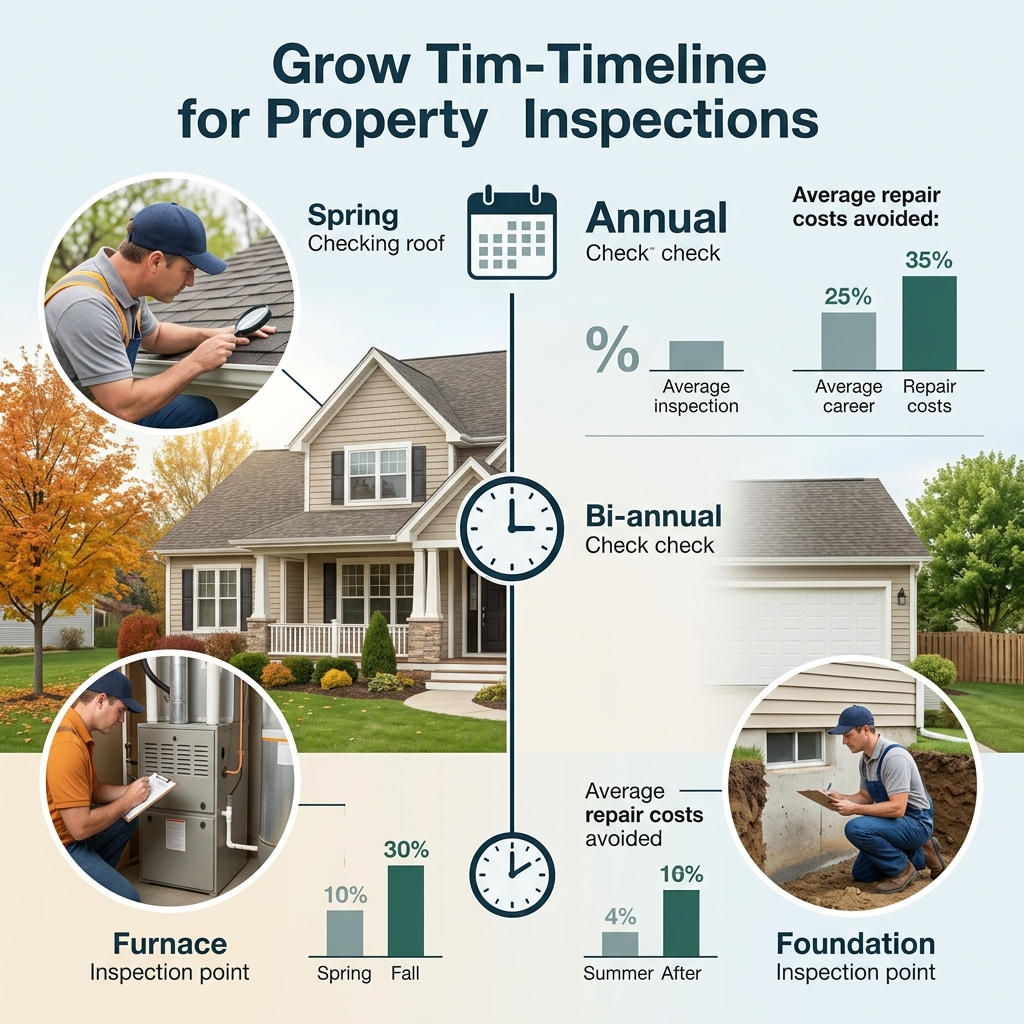
Property inspections represent one of the most effective tools for protecting your rental investment while maintaining positive tenant relationships. The right inspection frequency balances oversight with respect for tenant privacy, prevents costly emergency repairs, and ensures compliance with Alberta’s rental regulations. For Calgary and Airdrie property owners, understanding optimal inspection schedules protects investments against seasonal weather challenges while maximizing long-term returns.
Why Regular Property Inspections Are Critical for Landlords
Property inspections serve as a proactive defense mechanism for protecting your rental investment from unexpected damage, maintenance issues, and tenant-related problems. Regular inspections help identify minor issues before they escalate into costly repairs, ensure tenants are maintaining the property according to lease terms, and provide documented evidence of property condition over time.
In Calgary and Airdrie’s competitive rental markets, systematic inspection protocols differentiate professional property management from reactive approaches that lead to diminished ROI. A small roof leak detected during a routine inspection might cost $300 to repair immediately, but waiting until water damage spreads could result in $5,000 in structural repairs, mold remediation, and tenant displacement costs. This preventive approach protects both your physical asset and your cash flow stability.
Beyond financial protection, regular inspections demonstrate professional management that attracts quality tenants and supports higher retention rates. Tenants appreciate landlords who maintain properties proactively rather than ignoring problems until they become emergencies. This professional approach builds trust and creates mutually beneficial relationships that reduce turnover costs and vacancy periods.
Legal Requirements for Property Inspections in Alberta
Alberta’s Residential Tenancies Act establishes specific guidelines that landlords and property managers must follow when conducting inspections. Understanding these legal frameworks protects both property owners and tenants while ensuring compliance with provincial regulations. Violating these requirements can result in legal disputes, financial penalties, and damaged landlord reputations that affect future leasing prospects.
Notice Requirements and Tenant Rights
In Alberta, landlords must provide tenants with at least 24 hours written notice before entering a rental property for inspection purposes, except in emergency situations. The notice must specify the date, time range, and purpose of the entry. This written communication can be delivered through email, text message, or traditional mail, but documentation of delivery is important for legal protection.
Respecting these legal boundaries maintains positive landlord-tenant relationships while protecting your legal standing. The 24-hour requirement gives tenants reasonable time to prepare their homes and arrange their schedules. While some landlords view this as an inconvenience, it actually protects property owners by establishing clear professional boundaries and reducing potential conflict. Tenants who feel their privacy rights are respected typically cooperate more fully with inspection processes and maintain properties more carefully.
Permissible Reasons for Property Entry
Alberta law permits property entry for inspections, repairs, showing the property to prospective tenants or buyers, and emergency situations. Emergency circumstances include situations where immediate entry is necessary to prevent property damage or protect health and safety, such as gas leaks, flooding, fire hazards, or security breaches. In these situations, landlords can enter without advance notice, but should still attempt to inform tenants as quickly as possible.
Documenting the purpose of each inspection creates a transparent record that demonstrates compliance and professional management practices. This documentation protects landlords in disputes and provides evidence of proper procedures if legal questions arise. A simple inspection log noting date, time, purpose, findings, and any tenant communications establishes a professional standard that supports your management credibility.
Recommended Inspection Frequency for Different Property Types
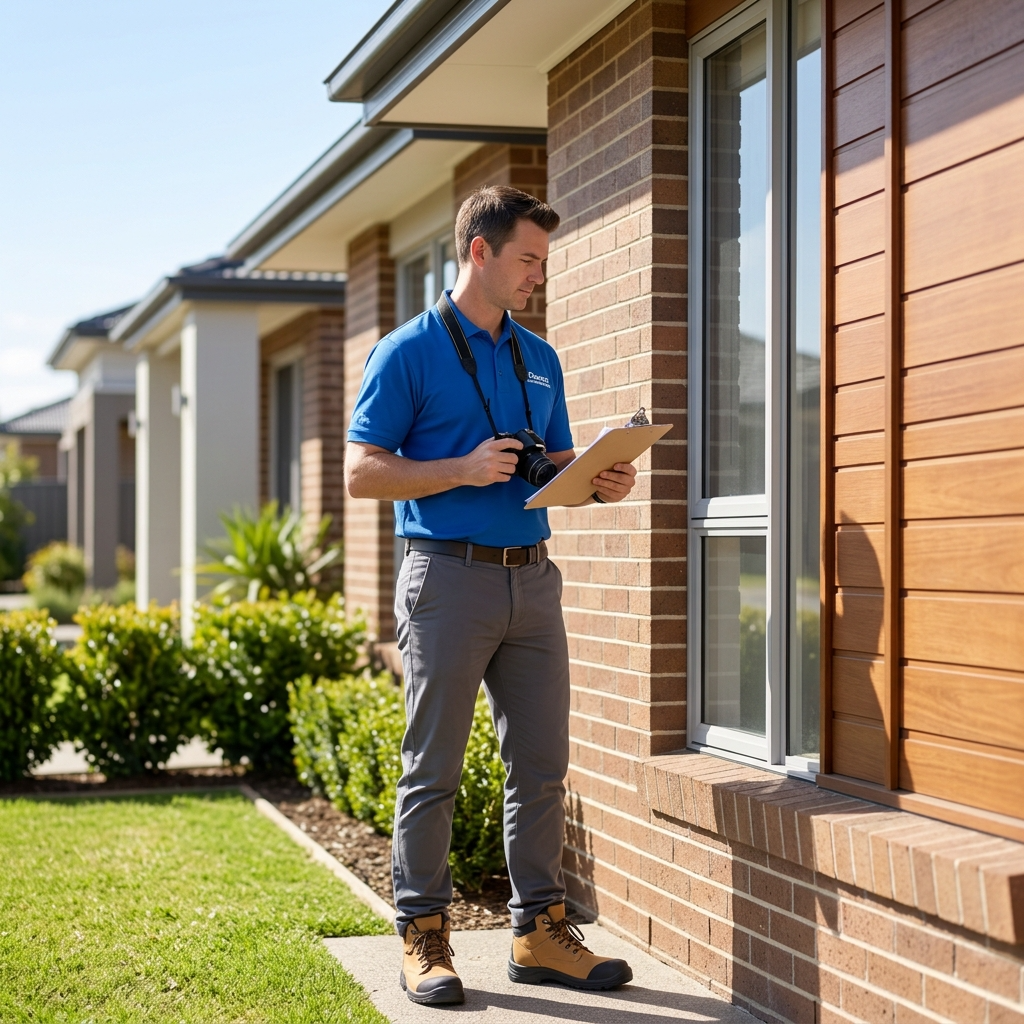
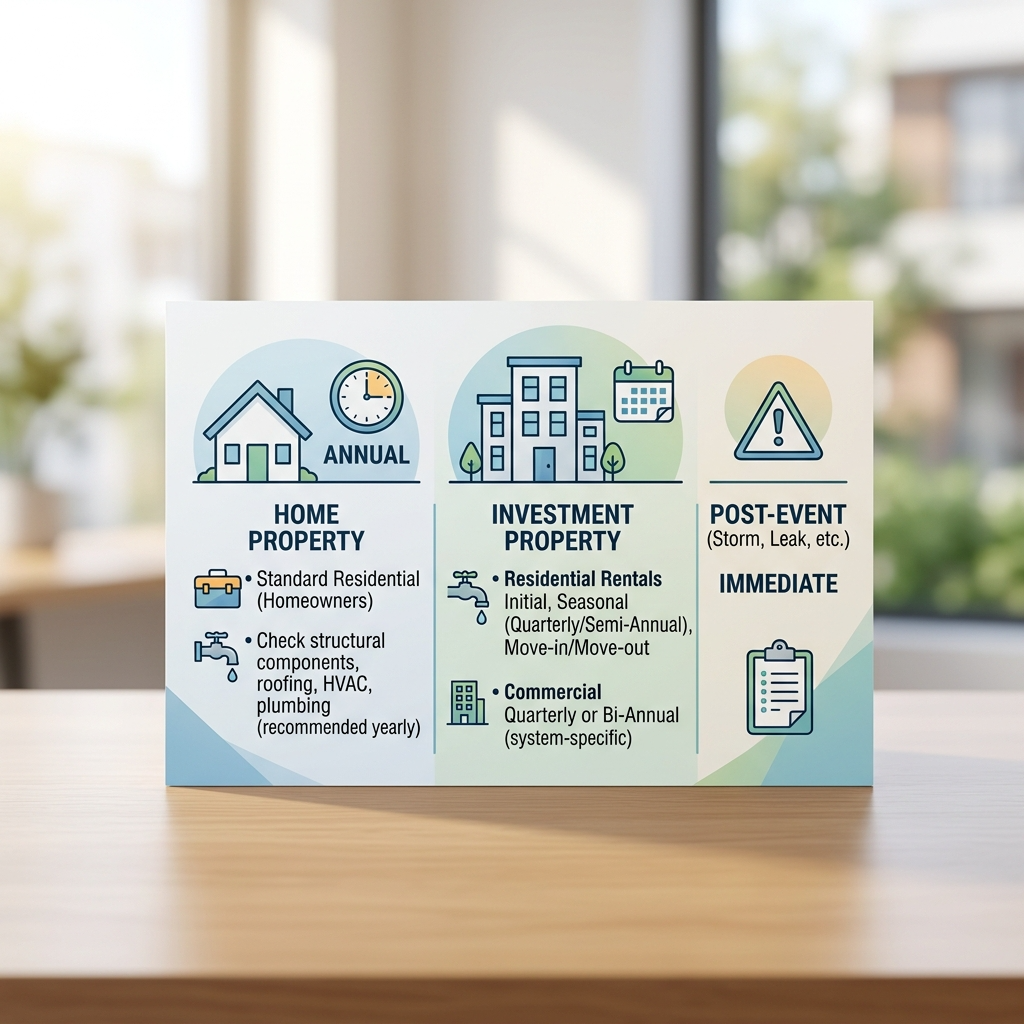
The optimal inspection schedule varies based on property type, tenant history, property age, and seasonal considerations specific to Calgary and Airdrie’s climate conditions. While general guidelines provide starting points, experienced property managers adjust frequencies based on individual property characteristics and tenant track records. This flexible approach maximizes protection without creating unnecessary tenant friction.
Single-Family Homes and Townhouses
For single-family rental properties, conducting comprehensive inspections every six months strikes an effective balance between oversight and tenant privacy. These bi-annual inspections should occur in spring and fall to assess winter damage and prepare for seasonal transitions. Spring inspections reveal issues caused by snow, ice, and freezing temperatures, while fall inspections verify readiness for the upcoming winter season.
Additional inspections may be warranted for new tenants during the first year or properties with previous maintenance concerns. New tenant relationships benefit from a three-month initial inspection that establishes expectations and identifies any care concerns early. This early intervention prevents small problems from becoming established patterns and communicates your commitment to property standards. Properties with aging systems, previous deferred maintenance, or high-value finishes may also justify quarterly inspections until stability is demonstrated.
Multi-Unit Buildings and Condominiums
Multi-unit properties benefit from quarterly common area inspections combined with annual individual unit inspections. This frequency allows property managers to monitor high-traffic areas, identify systemic issues affecting multiple units, and maintain consistent standards across the property. Common areas experience more wear than individual units and create the first impression for prospective tenants, making frequent monitoring worthwhile.
Common area inspections can occur more frequently without impacting tenant privacy since these spaces fall outside protected residential areas. Monthly walk-throughs of hallways, laundry facilities, parking areas, and building exteriors help maintain appearance standards and identify maintenance needs before they affect tenant satisfaction. For individual units in multi-family properties, annual inspections combined with move-in and move-out assessments typically provide adequate oversight while respecting tenant privacy.
Luxury and High-Value Properties
Premium rental properties with sophisticated systems, high-end finishes, and valuable fixtures warrant quarterly inspections to protect substantial investments. These properties often include complex mechanical systems, smart home technology, and delicate materials requiring specialized attention and proactive maintenance. A luxury property generating $4,000 monthly rent justifies more frequent oversight than a basic rental at $1,500 monthly because the replacement costs and potential damage exposure are proportionally higher.
Quarterly inspections for high-value properties also support tenant expectations at premium price points. Tenants paying top-tier rates expect responsive, professional management that maintains properties in excellent condition. Regular inspections demonstrate this commitment while allowing property managers to address minor wear before it affects the premium aesthetic that justifies higher rental rates.
What Should You Look for During Property Inspections?
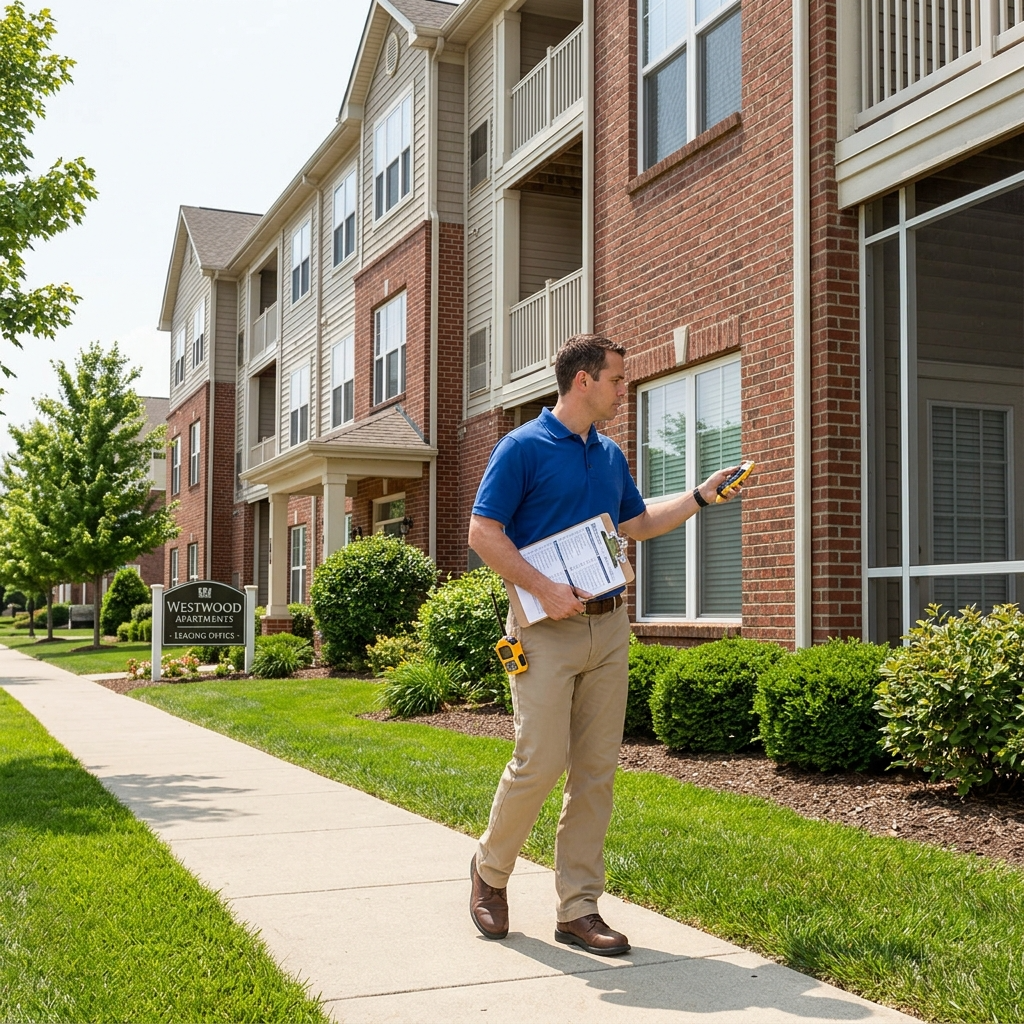
Systematic inspection checklists ensure consistency, thoroughness, and documentation that protects your investment and provides actionable maintenance data. A comprehensive checklist prevents overlooked items and creates comparable data across multiple inspections, allowing you to track property condition trends over time. This structured approach transforms inspections from subjective walk-throughs into objective assessment tools.
Exterior and Structural Elements
Examine the roof, gutters, siding, foundation, windows, doors, landscaping, driveways, and walkways for damage, wear, or safety hazards. Calgary’s freeze-thaw cycles create unique challenges for exterior elements, making seasonal inspections particularly valuable for identifying weather-related deterioration. Look for ice dam damage on roofs, foundation cracks from ground movement, deteriorating caulking around windows and doors, and drainage issues that could lead to basement flooding.
Pay special attention to grading and drainage patterns during spring inspections after snow melt. Water should flow away from the foundation, not pool near the building. Gutters and downspouts should be clear and properly attached, directing water at least six feet from the foundation. These seemingly minor issues can cause major foundation problems and basement flooding if left unaddressed through multiple seasons.
Interior Systems and Appliances
Assess heating and cooling systems, plumbing fixtures, electrical outlets and panels, smoke and carbon monoxide detectors, appliances, flooring, walls, and ceilings. Document functionality, cleanliness, and any signs of neglect or unauthorized modifications. Test all appliances to verify proper operation, check for water stains indicating plumbing leaks, and confirm that HVAC systems heat and cool effectively.
Look for signs that tenants are maintaining the property according to lease standards. Excessive clutter, poor cleanliness, unauthorized pets, or additional occupants may indicate lease violations requiring discussion. Document these observations with photographs and notes, then address concerns directly with tenants to reinforce expectations and prevent escalation.
Safety and Compliance Factors
Verify that all safety devices function properly, exits remain unobstructed, hazardous materials are properly stored, and the property meets current building codes. Safety inspections protect both tenants and property owners from liability while demonstrating due diligence. Test smoke detectors and carbon monoxide alarms in every inspection, replacing batteries as needed even if tenants are responsible for this maintenance under lease terms.
Check that exit doors open freely without requiring excessive force or key access from the interior. Confirm that handrails are secure on stairs, ground fault circuit interrupter outlets function in bathrooms and kitchens, and no electrical hazards exist from damaged cords or overloaded circuits. These safety checks take only minutes but provide critical protection against liability and tenant injury.
Seasonal Property Inspection Considerations in Calgary and Airdrie
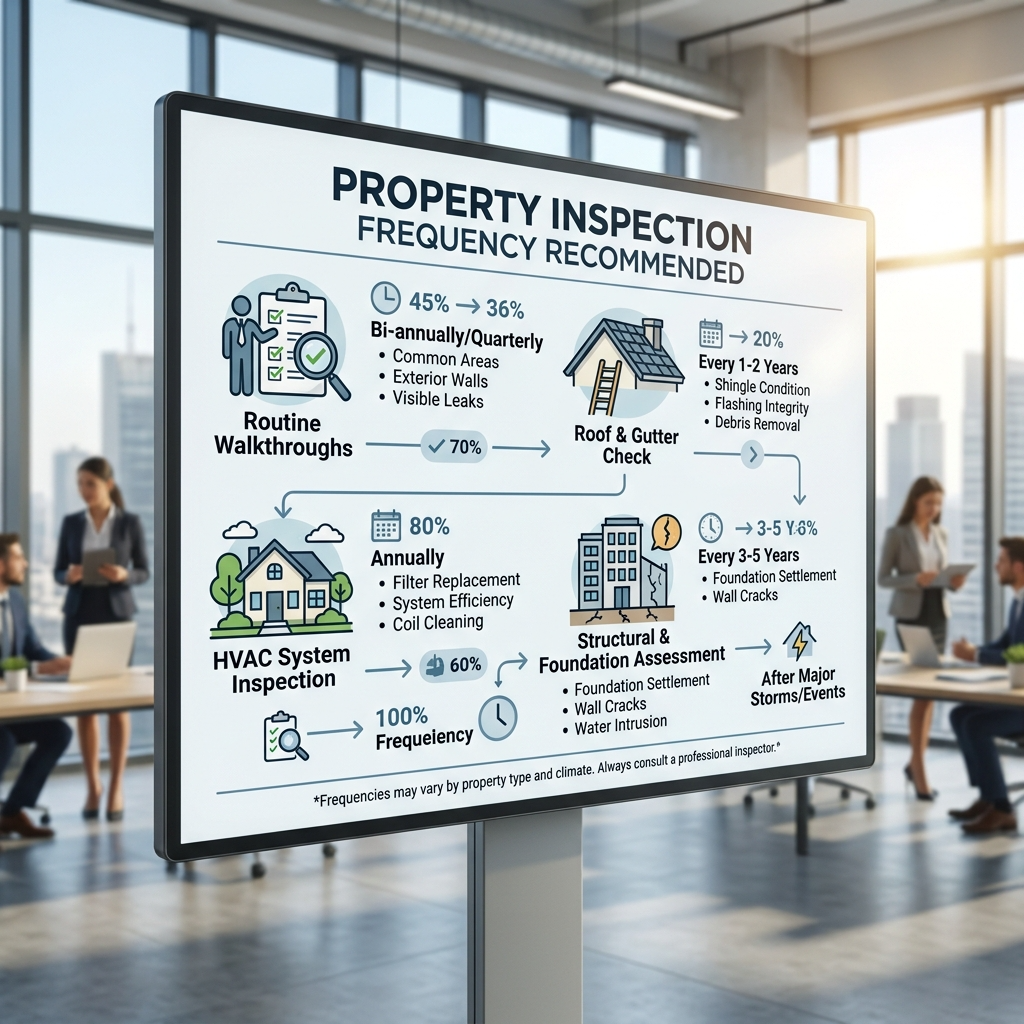
Calgary and Airdrie’s distinct seasonal climate patterns create specific inspection priorities throughout the year. Understanding these local conditions allows property managers to time inspections for maximum effectiveness and address region-specific maintenance needs before they cause damage. This localized approach demonstrates market expertise and protects investments against predictable weather-related issues.
Spring Inspections After Winter
Spring inspections should focus on winter damage assessment, including roof integrity after snow load, foundation cracks from freeze-thaw cycles, exterior drainage function, HVAC system transitions, and landscaping recovery. This timing allows for summer repairs before the next winter season and prevents minor damage from compounding over multiple years.
Schedule spring inspections for late April or May after snow has completely melted and the ground has thawed enough to reveal foundation and drainage issues. Check for ice dam damage on roof edges and in attics, inspect weatherstripping on doors and windows that may have been damaged by ice buildup, and assess whether landscaping drainage channels function properly during spring runoff. Document any concerns with photographs and obtain repair estimates promptly so work can be completed during favorable weather.
Fall Inspections Before Winter
Pre-winter inspections verify heating system functionality, window and door sealing, insulation adequacy, gutter cleaning, and exterior winterization. Identifying deficiencies before Calgary’s harsh winters prevents emergency repairs during extreme cold periods and protects tenant comfort. A heating system failure in January creates both emergency repair costs and potential tenant displacement expenses that proper fall maintenance would have prevented.
Schedule fall inspections for late September or early October before temperatures drop consistently below freezing. Test heating systems under actual operating conditions, check that programmable thermostats function correctly, and verify that all windows and doors seal tightly without drafts. Inspect attic insulation for adequate coverage and confirm that bathroom and kitchen exhaust fans vent to the exterior rather than into attic spaces where moisture can cause problems during cold weather.
Technology Solutions for Streamlined Property Inspections
Modern property management leverages technology to enhance inspection efficiency, documentation quality, and stakeholder communication. These tools reduce inspection time while improving report quality and accessibility for property owners. Technology adoption demonstrates professional management standards and provides competitive advantages in attracting property management clients who expect transparent, data-driven service.
Digital Inspection Software and Mobile Apps
Cloud-based inspection platforms enable real-time documentation with photographs, automated report generation, maintenance request integration, and historical comparison capabilities. These tools reduce inspection time while improving report quality and accessibility for property owners. Inspectors can photograph issues, add voice notes, and complete standardized checklists on mobile devices during property walk-throughs, eliminating the need to recreate observations later from handwritten notes.
Digital platforms also facilitate comparison across multiple inspections of the same property, highlighting changes over time and supporting objective conversations with tenants about property condition deterioration. Owners can access inspection reports through secure online portals immediately after completion, improving transparency and communication. This real-time access builds trust and demonstrates professional management standards that justify management fees.
Remote Monitoring Systems
Smart home technology, including water leak detectors, temperature sensors, and security cameras in common areas, provides continuous monitoring between physical inspections. These systems alert property managers to emerging issues immediately, enabling proactive intervention before significant damage occurs. A water leak detector that sends an alert when moisture is detected can prevent thousands of dollars in water damage by enabling rapid response.
Temperature sensors help prevent frozen pipes during winter by alerting managers if interior temperatures drop below safe levels, indicating heating system failure or tenant absence without proper winterization. These systems complement rather than replace physical inspections, providing additional protection layers that maximize property protection while respecting tenant privacy in appropriately monitored locations.
How to Document Property Inspections Effectively

Thorough documentation transforms inspections from routine tasks into valuable legal protection and maintenance planning tools. Quality documentation supports insurance claims, protects against unfounded tenant disputes over security deposits, and provides objective records for demonstrating property management diligence. The time invested in comprehensive documentation pays returns through reduced legal disputes and improved maintenance planning.
Photographic and Video Evidence
Time-stamped photographs and videos create irrefutable records of property condition, support insurance claims, document maintenance completion, and protect against unfounded tenant disputes. Consistent documentation standards across all properties enable comparative analysis and trend identification. Photograph each room from multiple angles, capturing general condition as well as close-ups of any damage, wear, or maintenance concerns.
Ensure camera settings include automatic date and time stamping, and organize photos immediately after each inspection with clear file naming that includes property address and inspection date. Store photographs in cloud-based systems with backup redundancy to prevent loss. These images become invaluable when disputes arise about property condition at lease commencement versus termination, often resolving conflicts that might otherwise require legal intervention.
Detailed Written Reports
Comprehensive inspection reports should include property address and date, inspector identification, room-by-room observations, identified issues with severity ratings, recommended actions and timelines, cost estimates when applicable, and tenant communication notes. Standardized report templates ensure consistency and completeness across different inspectors and properties, making reports more useful for comparison and analysis.
Rate identified issues by severity to help prioritize maintenance responses. Critical issues requiring immediate attention, moderate concerns needing resolution within 30 days, and minor items for future consideration create clear action hierarchies. This classification system helps property owners make informed decisions about maintenance spending and timing while demonstrating professional assessment capabilities.
Balancing Inspection Frequency with Tenant Relationships
While regular inspections protect property investments, excessive inspections can strain tenant relationships and increase turnover costs. Finding the right balance maximizes protection while maintaining positive tenant experiences that support long-term retention. High tenant turnover costs property owners thousands of dollars in vacancy periods, turnover repairs, and marketing expenses, making retention a key profitability factor.
Communicating Inspection Value to Tenants
Frame inspections as mutual benefits that ensure tenant comfort, identify maintenance needs proactively, verify safety systems function properly, and maintain property value. Transparent communication about inspection purposes and findings builds trust and cooperation. Explain that inspections help identify maintenance needs before they become emergencies that disrupt tenant lives, and that early detection often prevents problems that would require tenant displacement for major repairs.
Share relevant inspection findings with tenants, including maintenance items you will address and any concerns about property care that need improvement. This two-way communication demonstrates that inspections serve everyone’s interests rather than functioning as surveillance. Tenants who understand inspection value typically cooperate more readily and may even request inspections when they notice potential issues.
Flexible Scheduling to Accommodate Tenants
Offer multiple inspection time options, respect tenant scheduling preferences within legal notice requirements, and maintain consistency with established schedules. Accommodating tenant needs demonstrates professionalism while fulfilling property management responsibilities. Provide at least three potential time slots when scheduling inspections, including some evening or weekend options for tenants with inflexible work schedules.
Once you establish a regular inspection schedule, maintain consistency so tenants can anticipate timing and plan accordingly. If you conduct fall and spring inspections, aim for similar timing each year rather than varying widely. This predictability reduces tenant anxiety about unexpected visits and demonstrates organized professional management that respects tenant lifestyles.
Common Property Inspection Mistakes to Avoid
Even experienced landlords can fall into inspection practices that create legal liability, damage tenant relationships, or miss critical maintenance issues. Understanding these common pitfalls helps property managers implement effective protocols that maximize inspection value while minimizing risks and inefficiencies.
Insufficient Notice or Documentation
Failing to provide proper written notice, lacking standardized inspection protocols, and incomplete documentation expose landlords to legal challenges and missed maintenance opportunities. Professional property management systems prevent these costly oversights. Always send written notice at least 24 hours in advance, even if you have a friendly relationship with tenants where verbal communication seems sufficient.
Document notice delivery through email read receipts, text message confirmations, or certified mail when necessary. If tenants request inspection rescheduling, document the conversation and provide new written notice for the rescheduled date. This paper trail protects you in disputes and demonstrates professional standards that support your credibility.
Inconsistent Inspection Standards
Applying different inspection frequencies or criteria across similar properties, overlooking minor issues that compound over time, and failing to follow up on identified problems create operational inefficiencies and increased repair costs. Use standardized checklists for all properties of similar types to ensure comparable assessment standards and prevent overlooked items.
Create follow-up systems that track identified issues through resolution, preventing inspection findings from being forgotten. A maintenance issue noted in inspection reports but never addressed defeats the purpose of conducting inspections. Implement tracking systems that assign responsibility for each identified issue and verify completion before closing items.
When to Increase Inspection Frequency
Certain circumstances warrant more frequent property inspections beyond standard schedules to protect investments and ensure tenant compliance. Recognizing these situations and adjusting protocols accordingly prevents problems from escalating while demonstrating responsive professional management.
New Tenant Occupancy Periods
During the first six months with new tenants, quarterly inspections help establish expectations, identify tenant care patterns early, verify lease compliance, and build professional landlord-tenant relationships. Early intervention prevents problematic behaviors from becoming established patterns that become harder to address later. A tenant who receives feedback about cleanliness standards or minor lease violations during a three-month inspection understands expectations more clearly than one who receives criticism only at lease end.
These early inspections also help identify whether tenant screening was accurate and whether the tenant relationship will prove successful long-term. Property managers can address concerns proactively or make informed decisions about lease renewal based on demonstrated tenant behavior rather than assumptions.
Properties with Previous Issues
Properties with histories of deferred maintenance, previous tenant damage, aging systems requiring monitoring, or recent major repairs benefit from monthly or quarterly inspections until stability is demonstrated. Enhanced monitoring protects against recurring problems and verifies that repairs have resolved underlying issues. A property that experienced water damage requires closer monitoring of the affected areas to ensure repairs were effective and no mold or recurring moisture problems develop.
Similarly, properties with aging mechanical systems approaching the end of expected lifespans benefit from more frequent checks to catch failures early and plan replacements strategically rather than reactively. This proactive approach prevents emergency repairs at premium pricing and allows for planned maintenance during favorable conditions.
The ROI of Professional Property Inspection Services
Systematic professional inspections deliver measurable returns through reduced emergency repairs, extended property lifespan, higher tenant retention, legal protection, and optimized maintenance budgeting. Understanding these financial benefits helps property owners view inspections as investments rather than expenses, shifting perspective in ways that improve long-term portfolio performance.
Cost-Benefit Analysis of Proactive Inspections
Studies indicate that every dollar invested in proactive property inspections saves approximately three to five dollars in emergency repairs and property damage. Professional inspection protocols identify issues at 10-20% of eventual repair costs, enabling strategic maintenance planning that maximizes cash flow and property value appreciation. A roof leak caught during routine inspection might cost $300 to repair, while waiting until ceiling damage occurs could result in $1,500 in combined repairs.
Beyond direct repair cost savings, proactive inspections extend the functional lifespan of major building systems through early problem detection and preventive maintenance. An HVAC system that receives attention at the first sign of performance decline might operate efficiently for 20 years, while a neglected system might fail after 12 years, requiring premature replacement. These extended lifespans significantly impact investment returns over time, particularly for property owners managing multiple units.
Professional property managers like Excelsior Rentals incorporate systematic inspection protocols that protect investments while maintaining positive tenant relationships. This professional approach combines local market expertise with technology-forward documentation systems that provide transparency and demonstrate management value to property owners.
Frequently Asked Questions
How much notice do landlords need to give tenants for property inspections in Alberta?
Landlords must provide at least 24 hours written notice before entering rental properties for inspections in Alberta. The notice must specify the date, time range, and purpose of entry. This requirement applies to all non-emergency situations and protects both landlord rights and tenant privacy under the Residential Tenancies Act.
What is the ideal inspection frequency for rental properties in Calgary?
Most Calgary rental properties benefit from comprehensive inspections every six months, typically conducted in spring and fall to address seasonal maintenance needs. New tenant relationships may warrant quarterly inspections during the first year, while high-value properties or those with previous issues might require quarterly inspections ongoing. Multi-unit buildings benefit from quarterly common area inspections combined with annual unit inspections.
Can landlords conduct property inspections without tenant permission in emergencies?
Yes, landlords can enter rental properties without advance notice in emergency situations that threaten property damage or health and safety, such as gas leaks, flooding, fire hazards, or security breaches. However, landlords should still attempt to inform tenants as quickly as possible even in emergencies, and all non-emergency entries require 24 hours written notice regardless of tenant permission.
What should be included in a comprehensive property inspection checklist?
A thorough inspection checklist should cover exterior elements including roof, gutters, siding, foundation, windows, doors, and landscaping; interior systems including HVAC, plumbing, electrical, and appliances; safety devices like smoke and carbon monoxide detectors; flooring, walls, and ceilings; and overall cleanliness and lease compliance. Documentation should include photographs, detailed observations, identified issues with severity ratings, and recommended actions.
How do seasonal weather patterns in Calgary affect property inspection schedules?
Calgary’s climate creates specific inspection priorities throughout the year. Spring inspections focus on winter damage assessment including roof integrity, foundation cracks from freeze-thaw cycles, and drainage function. Fall inspections verify heating system functionality, window and door sealing, and winterization before harsh weather arrives. This seasonal approach addresses region-specific maintenance needs and prevents weather-related damage.
What technology tools can improve property inspection efficiency?
Cloud-based inspection platforms with mobile apps enable real-time documentation, automated report generation, and historical comparison capabilities. Smart home technology including water leak detectors, temperature sensors, and monitoring systems provides continuous oversight between physical inspections. These tools reduce inspection time while improving documentation quality and enabling proactive intervention when issues arise.
How should landlords document findings from property inspections?
Effective documentation includes time-stamped photographs and videos of property condition, comprehensive written reports with property address, date, inspector identification, room-by-room observations, identified issues with severity ratings, recommended actions and timelines, and tenant communication notes. Store documentation in cloud-based systems with backup redundancy, and organize files with clear naming conventions for easy retrieval.
When should property owners increase inspection frequency beyond standard schedules?
Increase inspection frequency during new tenant occupancy periods, particularly the first six months, to establish expectations and identify care patterns early. Properties with histories of deferred maintenance, previous damage, aging systems, or recent major repairs also benefit from enhanced monitoring until stability is demonstrated. High-value luxury properties with sophisticated systems typically warrant quarterly inspections to protect substantial investments.